In this guide
Why Antigua is the Caribbean's sailing capital
Antigua English Harbour has been a centre of maritime activity since the eighteenth century, when Nelson's Dockyard served as the Royal Navy's main base in the Eastern Caribbean. Today it's a UNESCO World Heritage Site and one of the most recognisable yachting addresses in the world. The natural harbour is one of the finest in the Caribbean — protected, deep, and scenic in a way that genuinely makes you understand why sailors have been sheltering here for centuries.
The yachting community in Antigua is strongly sailing-focused, which sets it apart from superyacht-heavy ports like Antibes or Fort Lauderdale. Motor yachts are present, but Antigua is fundamentally a sailing port — and that means the crew who come here are typically looking for sailing positions: racing crew, delivery crew, charter sailing crew. If you want to build a career on sailing yachts rather than motor superyachts, Antigua is one of the most important ports in the world to understand.
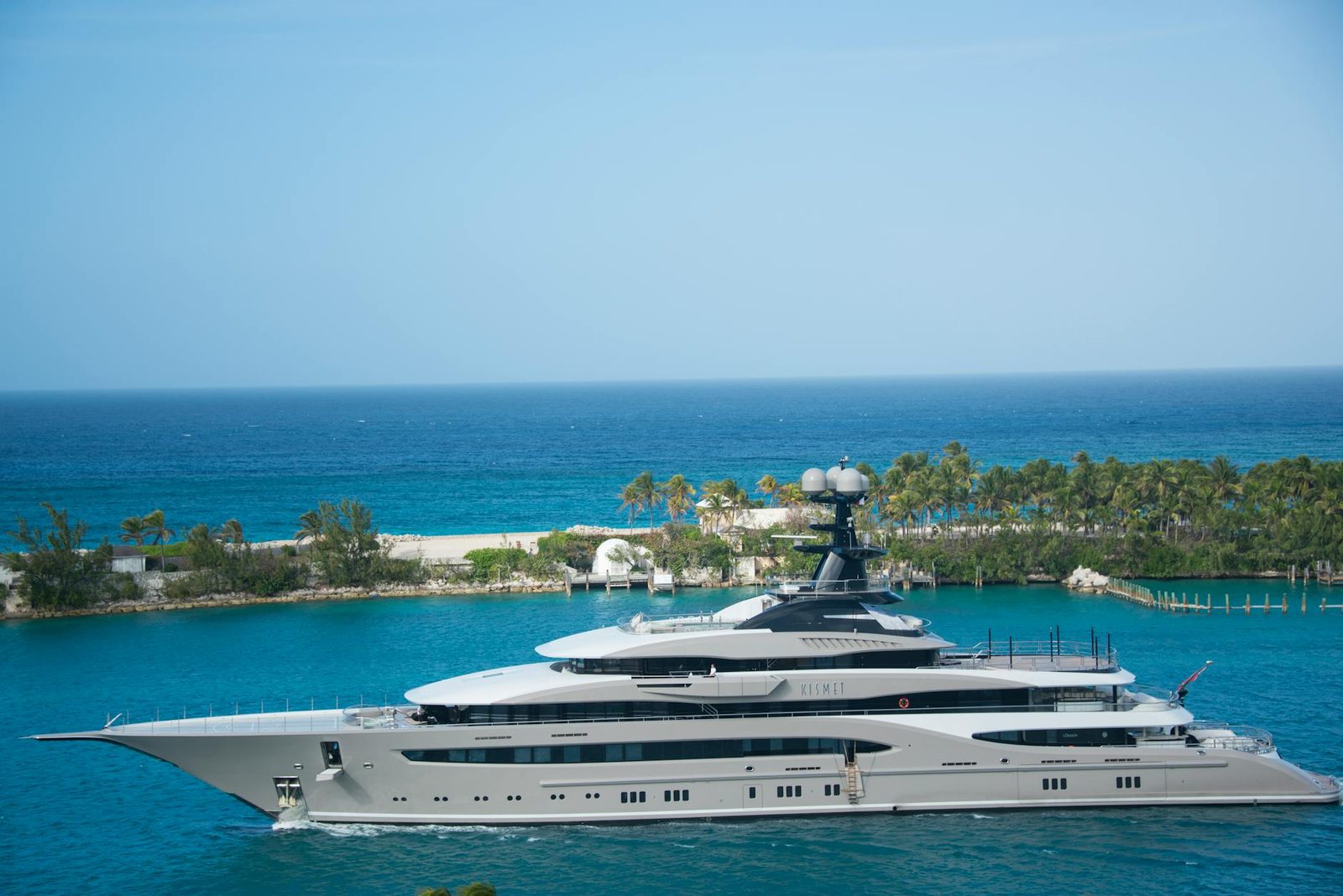
Key locations to target
English Harbour — Nelson's Dockyard
The dockyard itself is a working marina within the UNESCO World Heritage Site. Historic stone buildings house chandlers, restaurants, a museum, and crew facilities. The atmosphere is unlike any other yachting destination in the world — there's a genuine sense of maritime history in every building. Yachts berth stern-to along the main quay and on the inner pontoons. Access is good — the dockyard is a tourist attraction as well as a working port, so public access is the norm.
The concentration of crew around Nelson's Dockyard makes it an excellent networking environment. The bars and restaurants are right at the waterfront, and the geography — everything concentrated in a small, walkable historic site — means you'll encounter the same people repeatedly over the course of a day or two. That natural repetition is how relationships form.
Falmouth Harbour Marina
Falmouth Harbour, immediately adjacent to English Harbour on the southern coast of Antigua, is the more modern marina facility. It's where larger vessels berth — Falmouth has deeper berths and better superyacht infrastructure than the historic dockyard. If you're specifically looking for larger sailing yachts (the 30–60m ketches and schooners that do serious offshore passages), Falmouth is where you'll find them.
The marina office and main facilities are approachable — introduce yourself at the fuel dock or by the marina office and ask who's looking for crew. During the charter season, there's enough vessel movement that captains are regularly looking to fill crew positions at short notice.
Jolly Harbour
On the western side of Antigua, Jolly Harbour is a residential marina development with a mix of vessels including live-aboard owners, charter boats, and cruising yachts. Less superyacht-focused than the southern harbours, but worth including in your search — particularly for positions on smaller charter sailing yachts, day charter operations, and cruising yacht deliveries.
Antigua Sailing Week — late April/early May
Antigua Sailing Week is one of the world's most prestigious offshore sailing regattas. Held in late April to early May each year, the event brings hundreds of yachts to English Harbour for a week of racing, parties, and concentrated yachting industry activity. It's the Caribbean's equivalent of the Antibes Yacht Show — an annual gathering that concentrates the entire regional yachting community in one place.
For dock walkers, Sailing Week is exceptional timing. Yachts that have been sailing the Caribbean all season arrive for the regatta, often needing additional crew for the racing, or looking to fill permanent berths for the season that follows. The social events around the race week — the parties, prize-givings, and informal gatherings in the dockyard bars — are where introductions happen and positions are discussed.
Seasonal timing in Antigua
| Month | Activity | Notes |
|---|---|---|
| November | Active ★★★ | Caribbean season begins, ARC arrivals, yachts positioning for charter |
| December–January | Peak ★★★ | Full charter season, maximum vessel count in Falmouth/English Harbour |
| February–March | Active ★★ | Mid-season, good crew hiring activity |
| April | High ★★★ | Antigua Sailing Week (late April) — the annual peak event |
| May | Winding ★★ | End of charter season, vessels departing for Med or north |
| June–October | Very low | Hurricane season — most vessels leave the Eastern Caribbean |
Antigua-specific tips for dock walkers
- The racing community is tight-knit. Antigua's yachting world is more intimate than the Med superyacht scene. Reputation matters enormously — treat every interaction as an opportunity to build your profile, not just to get a CV in front of someone.
- Sailing experience is valued differently here. A candidate who can sail — actually sail, not just polish stainless steel — is genuinely more valuable in Antigua than in many Med ports. If you have offshore sailing miles, say so clearly on your CV and in conversation.
- The ARC arrival in November is an opportunity. The Atlantic Rally for Cruisers (ARC) finishes in St Lucia in November, but many ARC yachts continue to Antigua. These are primarily private sailing yachts with owner-operators looking for experienced crew for the Caribbean leg. The energy around ARC arrivals is excellent for making contacts.
- English Harbour is a small community. Word travels fast in a small harbour. Be professional, be reliable, and be the person that other crew mention positively when a captain asks around. Conversely, any reputational problems will also travel fast.
- The nightlife is part of the networking. The bars around Nelson's Dockyard — The Dockyard Bar and HQ Restaurant — are genuine crew social hubs. Showing up and engaging socially is part of how the Antigua yachting community works. Don't underestimate the value of an evening at The Dockyard.
Where crew hang out in Antigua
- The Dockyard Bar — the heart of English Harbour's social scene. Captains, crew, charter guests, and long-term residents all pass through. Lively most evenings from November to April.
- HQ Restaurant, English Harbour — a step up from the bar, popular with senior crew and owners. Good food, reliable WiFi, and a genuine mix of the yachting community.
- The Mainbrace pub, Nelson's Dockyard — historic bar within the dockyard complex. A classic stop for any crew spending time in English Harbour.
- Falmouth Harbour bars — the restaurant strip along the Falmouth Harbour waterfront provides an alternative social circuit if English Harbour feels too small for a given evening.
Antigua accommodation during the main season runs approximately $400–600/month for a shared room. The Facebook group is the most reliable source of current availability — post in the group specifying your timeline and budget and you'll typically get responses within hours.