In this guide
Why Fort Lauderdale is the US yachting capital
Fort Lauderdale is not simply the largest yachting hub in the United States — it's the largest registered superyacht base in the world. The combination of year-round warm water, excellent boatyard infrastructure, proximity to the Bahamas and Caribbean, and a highly developed crew services industry makes it the natural American base for superyacht operations.
The Lauderdale Marine Center (LMC) alone is the biggest superyacht yard in the United States, with the dry dock capacity and technical expertise to service the largest vessels afloat. When a major superyacht needs a refit in North America, it typically comes to Fort Lauderdale. This creates year-round employment for yard crew, engineers, and specialist contractors well beyond the standard charter season.
Port Everglades, the commercial port immediately south of the leisure marinas, handles cruise ships and cargo — but the northern finger of the port also accommodates some of the very largest superyachts when they're too big for the marina berths. If you see a 100m+ vessel in town, it's probably at Port Everglades.
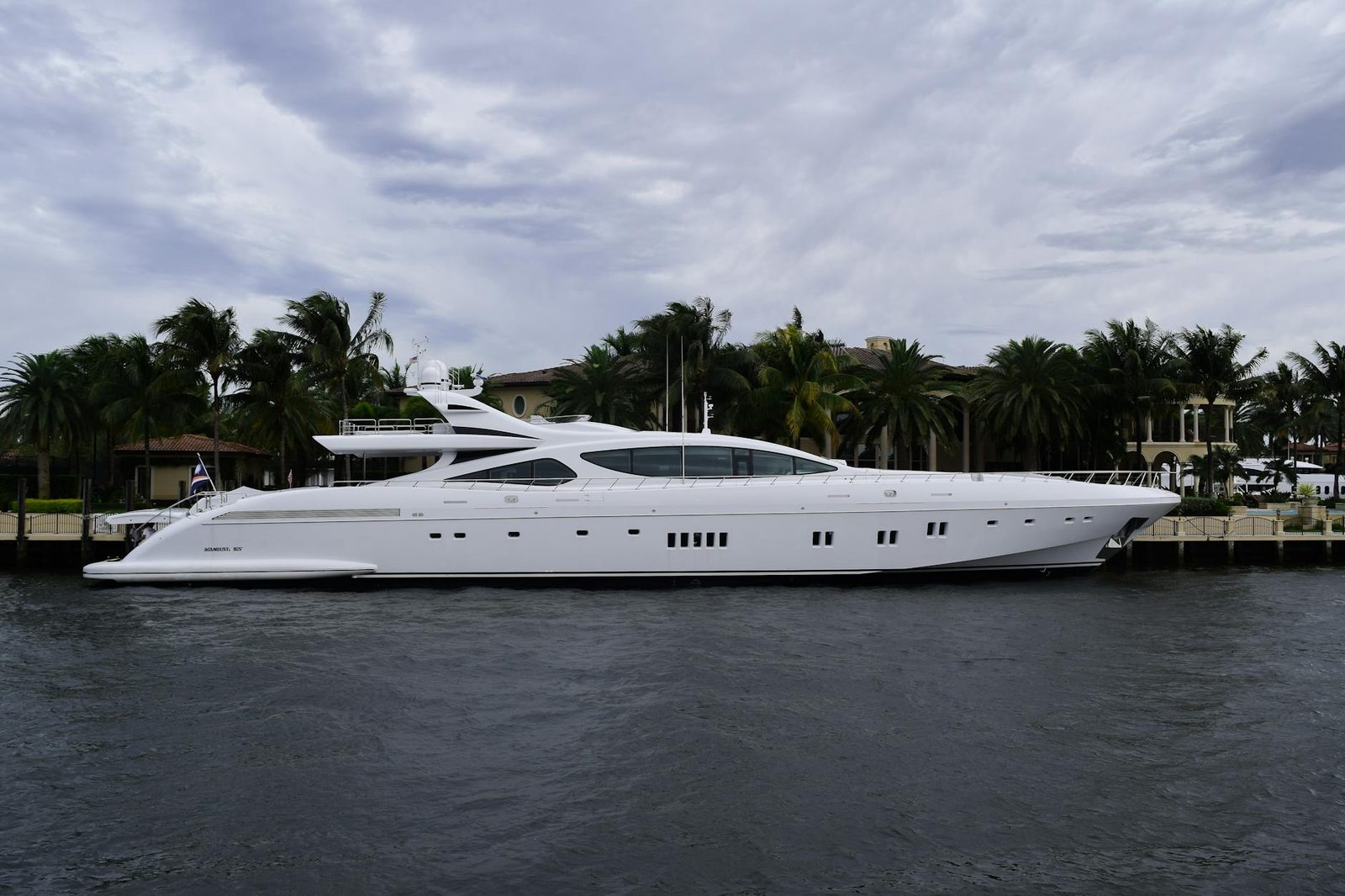
The Fort Lauderdale International Boat Show — FLIBS
FLIBS is the most important single event in the US yachting calendar, full stop. Held in late October every year, the show fills the waterways around downtown Fort Lauderdale with over 1,000 vessels ranging from sportfishers to 80m superyachts. The show attracts an estimated 100,000 visitors over five days.
For dock walkers, FLIBS represents a concentrated opportunity that doesn't exist at any other time of year. Captains are in town to show their vessels. Owners are visiting to inspect their investments and potentially meet crew. Charter brokers are networking. Senior crew are attending on behalf of their vessels. Everyone is accessible in a way that simply isn't true on a normal day in any marina.
The week before FLIBS — as vessels are arriving and being prepared for display — is actually even better than the show week itself. Captains are on deck with less distraction, crew are working and approachable, and the controlled access of the show itself doesn't yet apply. Position yourself in the Bahia Mar and Las Olas marina areas from the Monday before the show opens.
Key marinas to target
Bahia Mar Marina
Bahia Mar is the centrepiece of FLIBS and one of the most recognisable marina names in American yachting. Located on A1A directly on the Intracoastal, it hosts significant superyacht traffic year-round. The marina is a 24-hour operation and security is present, but dock walkers during daylight hours are generally tolerated if professional in presentation.
Las Olas Marina
On the New River, just inland from the Intracoastal, Las Olas has good access and a mix of vessels from 20m to 60m+. The New River area is highly walkable and several marinas cluster along it — walking the river from the 17th Street bridge eastward covers multiple target locations efficiently.
Lauderdale Marine Center (LMC)
The LMC is the biggest superyacht yard in the US. This is where you go if you're looking for yard work, refit positions, or engineering roles rather than onboard berths. The yard is vast — walking it requires a full morning. Security is proper yard security; approach the main office and ask to speak with the yard manager or HR rather than wandering the yard independently. Many specialist contractors base out of the LMC and hire locally.
Pier 66 and Sunrise Harbor
Pier 66 has a long history as a Fort Lauderdale yachting landmark. The marina and hotel attract significant superyacht traffic during the season. Sunrise Harbor, nearby, is smaller but worth including in your circuit. Both are accessible during normal marina hours.
Port Everglades
For the very largest vessels (80m+), Port Everglades is where they berth when the commercial terminals are configured for it. Access is more controlled than a standard marina — call ahead or go through a captain contact rather than walking up to the port gate.
Seasonal timing in Fort Lauderdale
| Month | Activity | Notes |
|---|---|---|
| January–March | Active ★★★ | Caribbean prep/season peak — many vessels based here for Bahamas/Caribbean runs |
| April–May | Moderate ★★ | Some yachts heading to Med; others remaining for summer Florida program |
| June–September | Steady ★★ | Hurricane season caution, but LMC yard work is year-round |
| October | Peak ★★★★ | FLIBS — the most important dock walking month in the US |
| November | Peak ★★★ | Post-FLIBS hiring as vessels head south for the Caribbean season |
| December | Active ★★ | Caribbean season begins; some vessels still in yard for winter prep |
USCG licensing — what non-US crew need to know
The United States Coast Guard (USCG) has its own licensing system for commercial vessels operating in US waters. Most superyachts visiting Fort Lauderdale are flagged in islands like the Cayman Islands or Marshall Islands and therefore operate under MCA (UK) rules rather than USCG rules. Your STCW certification is recognised regardless.
However, if you're seeking a position on a US-flagged vessel, you'll need to look into USCG STCW endorsements. These are broadly equivalent to MCA STCW certifications but issued by the US Coast Guard through the National Maritime Center. If you have MCA-issued STCW certificates, conversion is possible — allow several months for the process.
Non-US crew working in the US typically do so on a B1/B2 visa, which technically allows crew work on vessels not engaging in coastwise trade. US immigration rules around yacht crew are complex — speak to a maritime immigration specialist before committing to a US-flagged vessel position if you're not a US citizen.
Fort Lauderdale-specific tips
- Get a bicycle or use rideshare. Fort Lauderdale is a driving city — the marinas are spread over several miles of waterway. A bicycle makes the dock walking circuit efficient and saves on rideshare costs.
- The 17th Street Causeway is your reference point. Most of the major marinas cluster around the 17th Street bridge over the Intracoastal. If you're arriving in Fort Lauderdale for the first time, position yourself within walking distance of the 17th Street area.
- Dress for Florida heat. October through April is warm and humid. Smart casual crew attire that works in 30°C heat is different from what you'd wear dock walking in Antibes in March. Think neat, not heavy.
- Use the Fort Lauderdale Yacht Crew Facebook group actively. The 37,000-member group posts daywork and full-time positions daily. In Fort Lauderdale, many positions are filled through the Facebook group before they ever become a dock walking lead.
- The LMC is worth a full day on its own. The yard is so large that it functions almost as a self-contained industry hub. Engineers and senior crew who work in the US market often get their first breaks through LMC contractor contacts.
Where crew hang out in Fort Lauderdale
The 17th Street Causeway area, between the marina district and the beach, has the highest concentration of crew-frequented bars and restaurants. Las Olas Boulevard — the main entertainment strip running east from downtown to the beach — is the evening go-to for most crew ashore.
- Shooters Waterfront — right on the Intracoastal, a classic crew bar where you'll overhear yacht jobs being discussed at the bar any evening.
- The Parrot Lounge — a Fort Lauderdale crew institution near the 17th Street bridge. Unpretentious, busy, and full of people who work on boats.
- Las Olas Boulevard — for more upmarket dining or when you want to step out of the crew world for an evening. Excellent restaurants across all price points.