In this guide
Why Palma is the starting point for Med careers
Palma de Mallorca has been the Mediterranean's yachting capital for decades. Its position in the western Med makes it a natural base for yachts cruising Spain, France, Italy, and the Balearics. The superyacht infrastructure is unmatched — yards, chandlers, crew agencies, training schools, and crew accommodation are all concentrated in a small, walkable area.
The numbers speak for themselves: the Palma Yacht Crew Facebook community has over 75,000 members — the largest single yacht crew group in the world. When a captain in Palma needs crew at short notice, the first thing they often do is post in that group. Being in Palma and active in the community gives you the best possible chance of being in the right place at the right time.
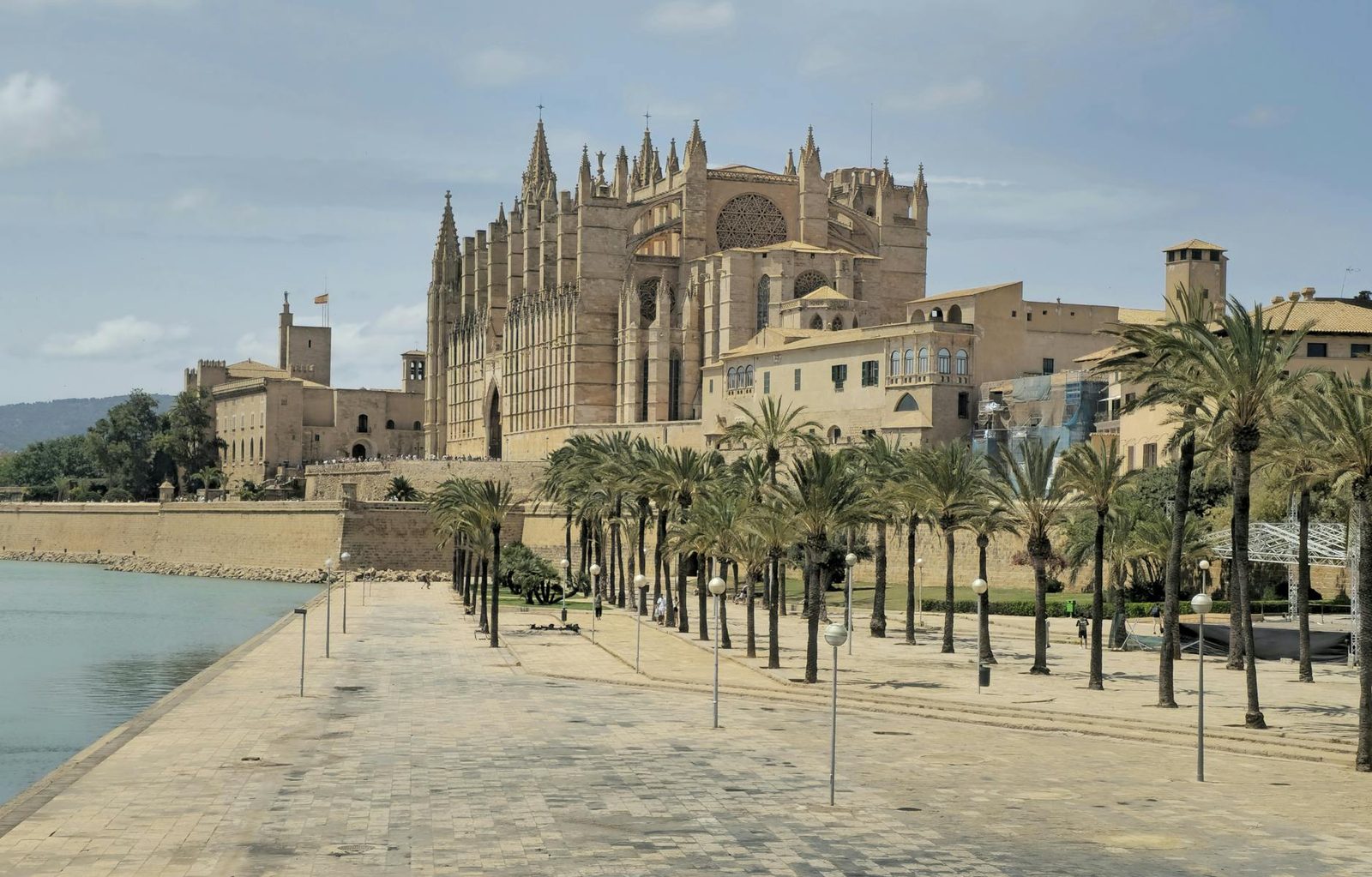
The marinas to target
Puerto Portals
Located 10km southwest of Palma city, Puerto Portals is where the largest and most expensive superyachts berth. Security is present at the gate but generally relaxed during the day. Walk the main pontoons in the morning before 10am — captains and officers are often on deck conducting maintenance or preparing for the day. Smart presentation is particularly important here; the clientele and crew are high-end.
Real Club Náutico de Palma (RCNP)
The most central marina, right in the heart of Palma city. Excellent mix of vessels from 25m to 60m+. Easier access than Portals — the outer pontoons are largely open. Strong concentration of vessels doing mid-season crew changes. The club bar is a useful spot to make contact with crew who are ashore.
Moll Vell / Marina de Palma
The older section of Palma's waterfront. More working yachts here rather than ultra-luxury — day charters, delivery crews, sailing yachts. Good for picking up daywork and short delivery jobs that can lead to longer-term positions. Less security, easier access.
Porto Pi / Club de Mar
Another large marina west of the city centre. Mix of private and charter vessels. Less footfall from other dock walkers so you may find less competition here. Worth including in your daily circuit, particularly for sailing yachts.
When to dock walk in Palma
| Month | Activity level | Notes |
|---|---|---|
| January–March | Low | Winter layup period — most large yachts in Palma yards for maintenance, minimal hiring |
| April | High ★★★ | Season preparation begins, Palma Boat Show (late April), crew changeovers start |
| May | Peak ★★★★ | Best month to dock walk — yachts arriving, season hiring in full swing |
| June–August | High | Yachts mostly on charter; captains may hire to replace crew who have left |
| September–October | Moderate | Season winding down, end-of-season crew changes |
| November–December | Low | Most yachts heading to the Caribbean or into winter yards |
Palma-specific tips
- The Palma Boat Show matters. The Palma International Boat Show (Boat Show de Palma) in late April is a genuine hiring window. Owners and captains are all in town at once. Attend the public days, be presentable, and talk to everyone.
- STCW courses are available here. If you arrive without your STCW, Palma Sea School and Nautipaula both run courses. Do it before you start dock walking — captains won't take you seriously without it.
- The Paseo Marítimo is useful. The main waterfront road runs the length of the marinas. Walking it gives you a view of which vessels are in and what flags they're flying before you commit to a pontoon approach.
- Spanish flag vessels have different requirements. Some Spanish-flagged vessels prefer crew with Spanish maritime qualifications. Don't let this put you off — many yachts in Palma are flying Cayman Islands, Marshall Islands, or British flags, which have no such preference.
- CV drop-off etiquette. In Palma specifically, captains are accustomed to dock walkers. A confident, brief introduction with a well-prepared CV will always get a hearing. Don't linger if they're busy — leave the CV, ask for a name, move on.
Where crew hang out in Palma
The area around the Real Club Náutico has several bars and cafés popular with crew. The Paseo Marítimo waterfront strip has options at all price points. Among regular crew haunts:
- Bar Náutico / marina-adjacent bars — where crew congregate after work, especially Friday evenings. Networking happens here more naturally than on the pontoons.
- The Boat House — a crew favourite near the waterfront, mix of local and international crew.
- Puerto Portals village — if you're dock walking Portals, the small restaurant/bar cluster at the marina entrance is where crew take breaks.
The evening social circuit matters. Many first yacht jobs come through a conversation in a crew bar, not a CV drop. Show up, introduce yourself, and be genuinely interested in people's experiences.
Where to stay in Palma
Crew houses are the standard option — shared houses or apartments specifically catering to dock-walking crew. They're affordable, well-located near the marinas, and the information network among housemates is invaluable. A typical crew house room runs €400–700/month depending on location and season.
Ask in the Palma Yacht Crew Facebook group for current crew house recommendations — availability changes constantly and community members always have current information. Search for "crew accommodation palma" in the group.
Avoid tourist accommodation near the old town if you're serious about dock walking — you want to be within walking distance of the marinas, not a 30-minute bus ride away.