The two contract types
Most yacht crew work on one of two contract structures:
| Permanent (live-aboard) | Rotational | |
|---|---|---|
| Schedule | Aboard full-time; no formal rotation | Typically 4 weeks on, 4 weeks off (or 6/2, 2/2) |
| Who gets it | Junior and mid-level crew; most deckhands and stewardesses | Senior crew: chief engineers, senior captains, chief officers on large vessels |
| Time off | Typically 1–2 days per week; more during lay-up | Clearly defined paid leave rotations |
| Flights | Paid when vessel travels; return flights at leave may not be included | Return flights to/from home typically included |
| Annual leave | Typically 30 days per year | Leave is built into the rotation structure |
| Base salary | Standard market rate for role | Often 10–20% higher than permanent equivalent |
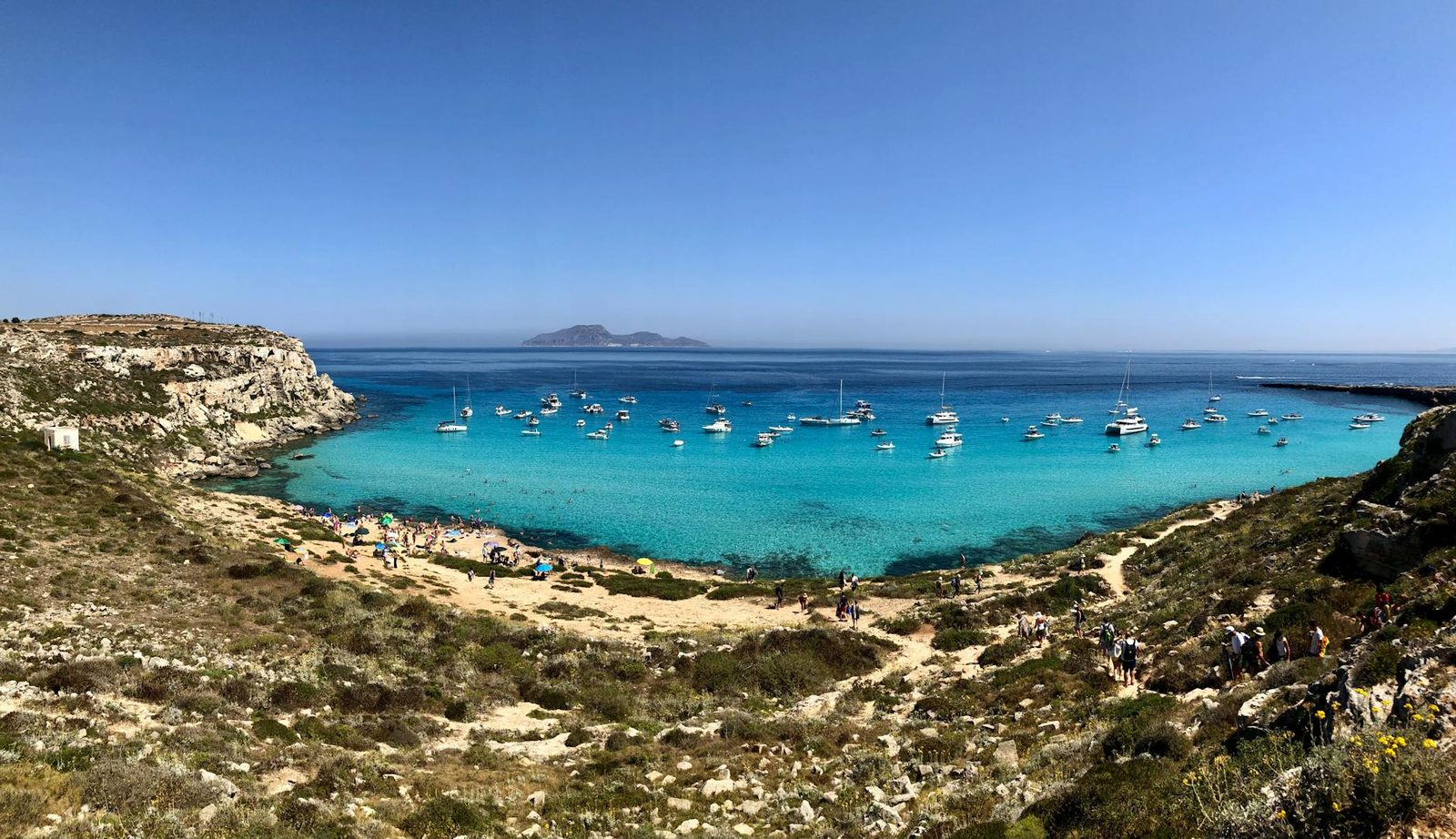
What permanent contracts look like in practice
For most crew — especially in the first several years of a yachting career — permanent (live-aboard) contracts are the norm. You're based aboard the vessel, moving with it through its season, and your days off are structured around the programme rather than a fixed rotation.
In a busy Mediterranean summer season this can mean working 6–7 days a week during charters, with time off compressed to the gaps between guests. In winter lay-up the pace drops significantly — many crew take their annual leave during the refit period. The upside is simplicity: your accommodation is sorted, your food is covered, and you're building sea time continuously.
The lack of a clear schedule can be wearing, particularly for crew with partners or family ashore. There's no guaranteed time off on a given date. Everything bends to the programme.
What rotational contracts look like in practice
Rotational contracts are typically offered to senior crew on larger vessels where continuity of operations requires that someone with full authority and deep vessel knowledge is always aboard. A 4-weeks-on / 4-weeks-off (4/4) rotation is the most common structure, though 6/2 (six weeks on, two off) and 2/2 (two weeks on, two off) also exist depending on vessel size and owner preference.
On a 4/4 rotation with a chief engineer role at $10,000/month, you're working 6 months of the year (26 weeks aboard) and earning the same annual salary as if you were permanent. But with 26 weeks ashore — and your flights home covered — the quality of life is meaningfully different.
The catch: rotational roles are earned, not given. They require deep experience, high trust from the captain and owner, and usually the seniority of chief engineer, senior captain, or equivalent. Expecting a rotational contract as a first job will lead to disappointment.
Which pays more?
Rotational salaries are typically set 10–20% above the equivalent permanent rate to compensate for the structural requirement of maintaining two crew members per position (one aboard, one ashore). On top of this, senior rotational positions attract market-rate premiums simply because they're occupied by people at the top of their career.
For permanent crew, total compensation including tips can be very competitive — particularly on busy charter yachts. A permanent deckhand on a high-charter-volume vessel in the Mediterranean may take home more annually (base + tips) than a less senior rotational position on a quieter private vessel.
Career considerations
Early in your career, permanent contracts are better for accumulating sea time and experience. Rotational positions require you to be away from the vessel — which means someone else is building their hours aboard while you're ashore. For crew working toward MCA certificates that require logged sea time, permanent contracts are usually the faster path.
Once you've reached the senior positions where rotational contracts become available, they offer a genuinely excellent lifestyle for crew who want to maintain meaningful time in one place — whether that's family, a shore-based project, or simply a life with more structure than the endless seasonal cycle.
The seasonal cycle as an alternative
Some crew create their own version of rotation by working a Mediterranean summer season (May–November) and an Atlantic Caribbean winter season (December–April) with breaks between. This isn't a formal rotational contract — it's self-managed seasonal employment — but it gives you a rhythm, time at home between seasons, and exposure to different yachting environments.
This approach is particularly common among junior and mid-level crew who want flexibility without being tied to a year-round programme. The tradeoff is less income stability between seasons and the ongoing effort of finding the next position.