In this guide
What is STCW?
STCW stands for Standards of Training, Certification and Watchkeeping for Seafarers. It's an international maritime convention that sets the minimum safety training standards for professional crew working on commercial vessels, including yachts.
The certificate you'll hear most about is the STCW Basic Safety Training (also called the STCW 95 or STCW Manila amendments). This is the entry-level requirement — a package of four core safety modules that every professional crew member must hold before they can legally work aboard a vessel over 24 metres, or any vessel trading commercially.
Think of it as the maritime equivalent of a first aid certificate crossed with a health and safety induction — but far more practical, and genuinely useful if something goes wrong at sea.
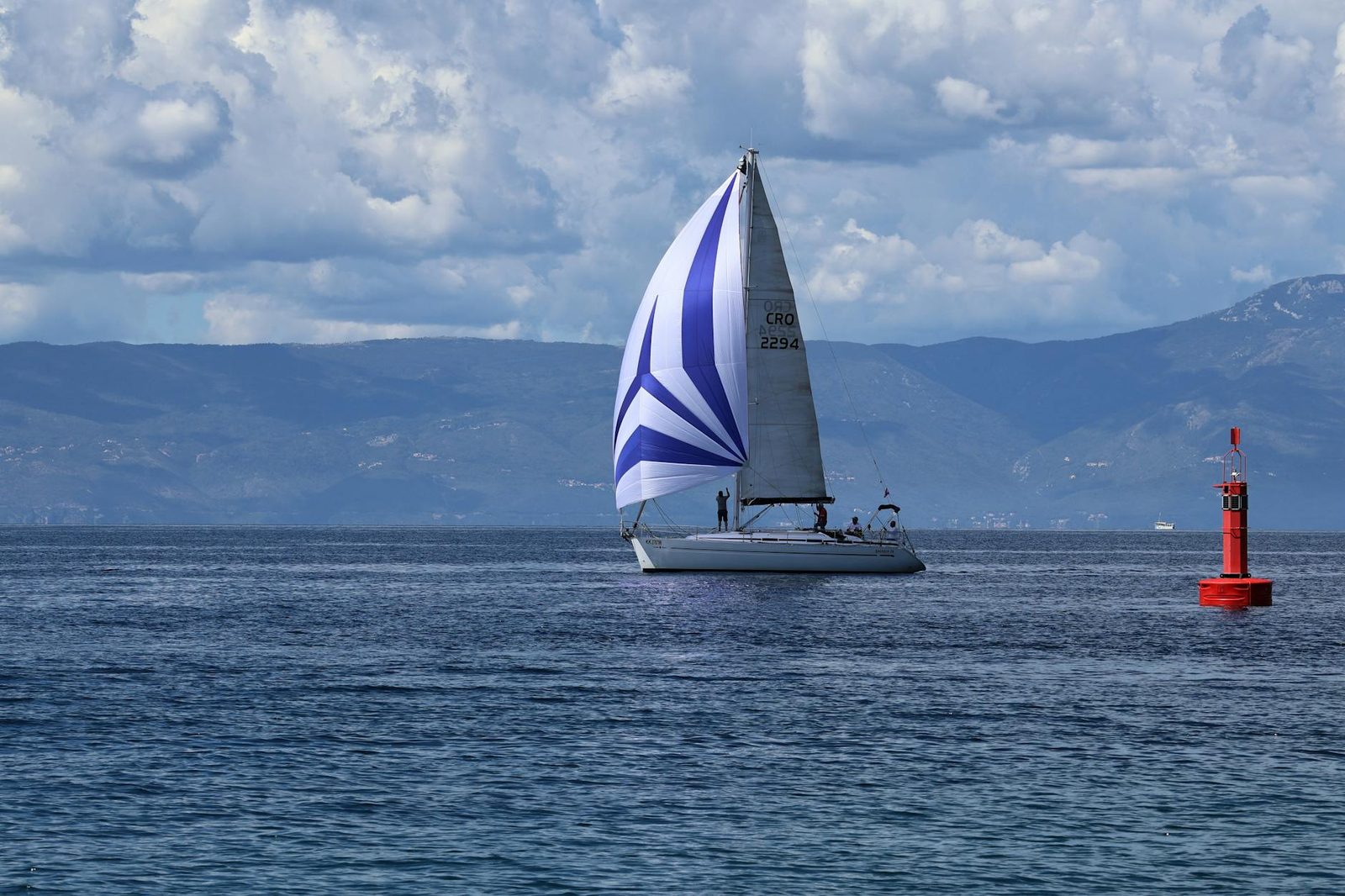
What does the STCW Basic Safety Training cover?
The Basic Safety Training comprises four modules. Most providers deliver all four as a single package over 4–5 days:
1. Personal Survival Techniques (PST)
What to do if the vessel sinks. You'll learn how to don a lifejacket correctly, how to abandon ship safely, how to board and operate a liferaft, and how to survive in the water. There's a practical pool session — you'll be jumping in and getting cold. Most people find this the most memorable (and enjoyable) part of the course.
2. Fire Prevention and Firefighting (FPFF)
How to prevent fires aboard, how to use different types of fire extinguisher, how to fight fires as a team, and how to respond to fire emergencies. There's a practical element with live fire scenarios — one of the few times you get to actually use a fire extinguisher in a controlled setting.
3. Elementary First Aid (EFA)
Basic casualty care at sea — CPR, bleeding control, shock, burns, and fractures. This is broadly similar to a first aid at work course but with a maritime context. You'll practise on mannequins and in pairs with other course participants.
4. Personal Safety and Social Responsibilities (PSSR)
This is the classroom module — covering crew responsibilities, shipboard organisation, fatigue and watchkeeping, and the basics of maritime law as it applies to you. Less dramatic than the pool session, but essential for understanding your role and rights as a professional seafarer.
How long does STCW take?
The standard STCW Basic Safety Training is a 4–5 day intensive course, typically Monday to Friday. Days are full and physical — expect to be on your feet for most of it, particularly the pool and firefighting sessions.
Some providers offer split formats where you complete the classroom elements online (PSSR, EFA theory) and attend practical days in person, bringing the total down to 2–3 days on site. This can work around existing commitments, though most crew prefer the full immersive week — you learn more, and you meet people who may become your crewmates.
The certificate is issued shortly after the course — some providers issue it on the last day, others within a few days of completion. You'll receive a physical certificate to carry aboard.
How much does the STCW course cost?
| Location | Typical cost | Notes |
|---|---|---|
| UK (Southampton, London, Scotland) | £350 – £500 | Most established providers; MCA approved |
| Palma de Mallorca | €350 – €550 | Convenient if you're already dock walking |
| Antibes / South of France | €380 – €580 | Multiple providers; peak season gets busy |
| Fort Lauderdale | $400 – $650 | USCG and MCA recognised courses available |
| Malta / Italy | €320 – €500 | Good option if already in the central Med |
| Online (theory only) | £50 – £150 | Theory elements only; practical still required |
Prices have risen since 2023 with demand — budget toward the upper end if booking at short notice. Most providers include all materials, pool fees, and certification in the listed price. Accommodation is almost always extra.
Do I need STCW to work on a yacht?
Yes — if you want to work professionally. The STCW Basic Safety Training is a legal requirement under the Maritime Labour Convention (MLC 2006) for anyone working as professional crew on a commercial yacht. No captain can legally carry you without it, and no reputable crew agency will register you without it.
The only exception is day charter vessels under 24 metres in some flag states, but this is becoming increasingly rare as insurance requirements tighten. In practice: get your STCW before you start looking for work. Turning up to dock walk without it puts you at the back of the queue immediately.
Where to do your STCW course
Courses are available across all major yachting hubs. The best place to do yours depends on where you're already based and when you want to start working. Below are the main options for crew in the PYC community:
Palma de Mallorca
If you're heading to Palma to dock walk, doing your STCW here makes logistical sense. Several approved providers run courses throughout the season, though they fill quickly from March onwards. Book at least 4–6 weeks ahead for a May or June start. The Palma Sea School and Nautipaula are well-regarded local providers.
Antibes
Antibes is the other main Med hub and has several training schools within easy reach of Port Vauban. Seascope France is the most established provider in the area and is MCA approved. Courses run from early spring through to October.
UK (Southampton & London)
The UK has the most established STCW training infrastructure. UKSA (Cowes), Warsash Maritime Academy (Southampton), and Videotel (London) are all MCA-approved and well respected. If you're UK-based and preparing for your first season, a UK course is often the most affordable option.
Fort Lauderdale
Fort Lauderdale has a strong cluster of training providers catering to US-based crew and those preparing for a Caribbean season. Look for USCG-accepted courses that are also MCA-recognised if you plan to work on foreign-flagged vessels. Professional Yacht Training (PYT USA) and Lauderdale Yacht Training both offer packages.
Scotland
Several providers in Scotland offer STCW — popular with crew based in the north of the UK or preparing for a Scandinavia or Northern Europe season. Search for MCA-approved centres near Glasgow, Edinburgh, or Inverness.
STCW renewal and updates
Your STCW Basic Safety Training certificate does not expire in the same way a passport does — but it can become invalid if you leave the industry for more than five years and the international convention standards have been updated.
The major update to STCW came with the Manila Amendments (2010), which came into force fully by 2017. If your certificate predates 2012, it almost certainly needs refreshing. Any certificate issued post-2017 is current.
Some individual elements — particularly first aid — may need refreshing on a more regular basis if you're holding higher-level qualifications. Check with your flag state authority if uncertain.