Why crew houses are the standard accommodation
A crew house is a shared property — usually a flat or house within walking distance of the main marinas — that's specifically set up for dock-walking crew. The landlord understands the industry's irregular timelines. Housemates are all in the same situation. The information flowing through a well-connected crew house is extraordinary: who's looking for what, which captains are approachable, which vessel just dismissed its previous crew and is urgently hiring.
For new crew arriving in a port for the first time, a crew house also provides immediate social connection. Being a stranger in a port where you know nobody is isolating. Being in a crew house where everyone is in the same position converts that isolation into a shared project almost immediately.
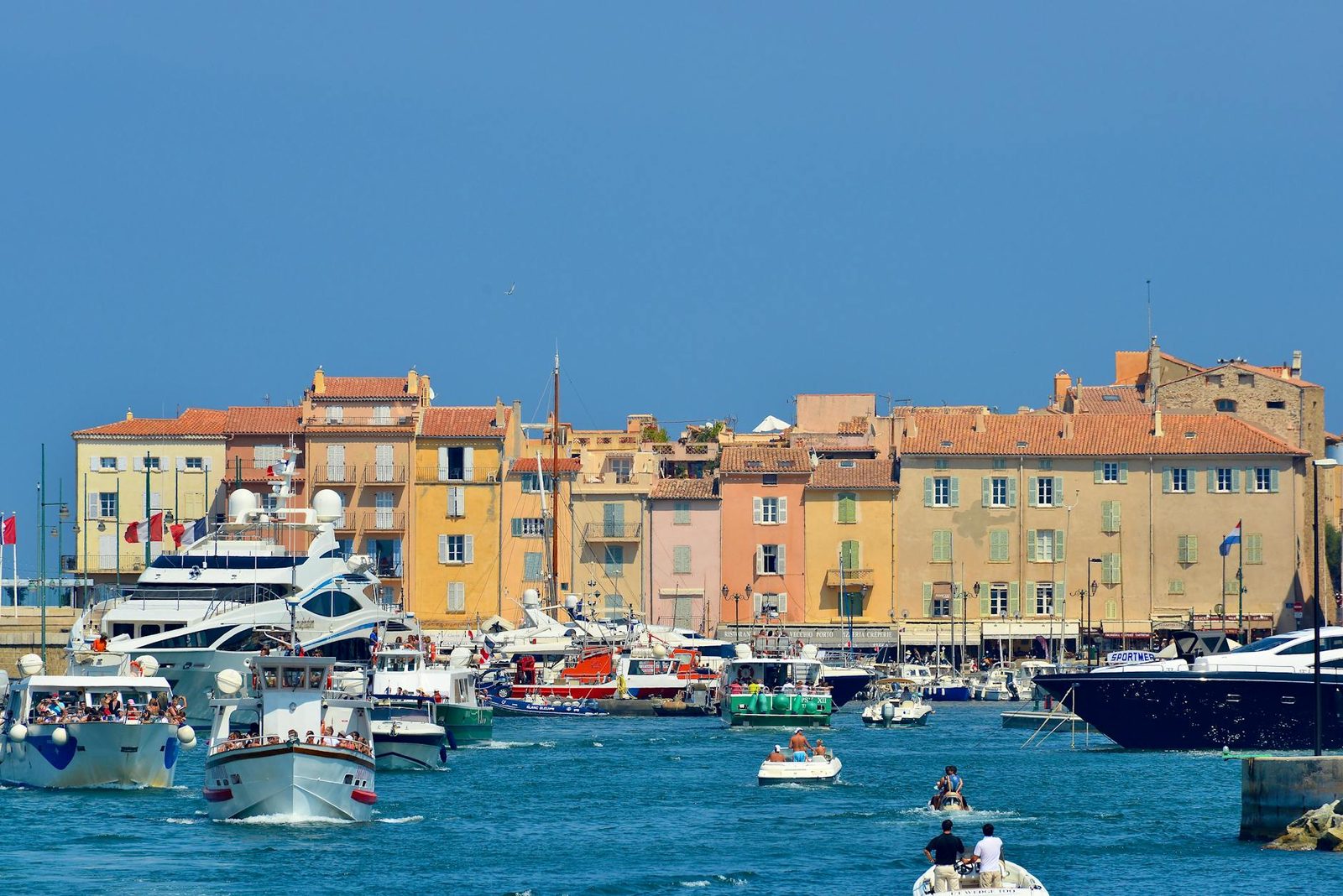
What to expect from a crew house
Standard crew house features:
- Shared rooms or single rooms: Many crew houses have both. Single rooms cost more but provide privacy that shared rooms don't. For a dock walking stint of 4–8 weeks, a shared room is fine — you're not going to be spending much time in it.
- Shared bathrooms and kitchen: Almost universal. Full en-suites in crew houses are rare.
- Flexible tenure: Crew house landlords understand that you might find a position and leave at 48 hours' notice. Most will accept month-to-month arrangements rather than requiring a long lease commitment.
- Bills included: Most crew houses include WiFi, water, and electricity in the monthly price.
- Proximity to marinas: A good crew house should be within walking distance (15–20 minutes) of the main marinas. Any further and you're spending unnecessary time and money on transport.
Approximate costs by port
| Port | Shared room | Single room | Currency |
|---|---|---|---|
| Palma de Mallorca | €350–500/mo | €500–700/mo | EUR |
| Antibes | €500–700/mo | €700–900/mo | EUR |
| Monaco / Nice area | €700–1,000/mo | €1,000–1,400/mo | EUR |
| Barcelona | €450–600/mo | €600–800/mo | EUR |
| Fort Lauderdale | $500–700/mo | $700–1,000/mo | USD |
| Antigua | $350–500/mo | $500–700/mo | USD/EC |
| St Maarten | $400–600/mo | $600–800/mo | USD |
| Malta (St Julian's) | €300–450/mo | €450–600/mo | EUR |
| Phuket | $150–250/mo | $250–400/mo | THB / USD |
These are approximate ranges — actual prices vary by season, location within the port area, quality of the property, and current demand. High season (April–May in Palma; November–January in Antigua) pushes prices to the upper end of the range.
How to find a crew house
The single most reliable method is the Facebook crew community group for your target port. Every major crew port has a Facebook group (Palma Yacht Crew, Antibes Yacht Crew, Fort Lauderdale Yacht Crew, etc.) and these groups have a constant flow of accommodation listings, crew looking for housemates, and landlords looking for tenants.
The process:
- Join the Facebook group for your target port 2–4 weeks before you arrive.
- Search the group for recent "accommodation" or "crew house" posts — there will be plenty.
- Post your own request: "Looking for crew house / room [Port Name], arriving [Date], dock walking [Dates]. Budget €[X]/month. Please message me." Keep it concise.
- Respond quickly to any messages — crew house rooms go fast in peak season.
- Ask housemates for recommendations when you arrive — word of mouth within the crew community finds the best houses.
Other sources: crew agencies sometimes maintain lists of known crew accommodation; the forums on sites like CrewSeekers and The Dockwalk sometimes have accommodation threads; and a direct approach to crew house landlords you find on Airbnb or local rental platforms (explain you're dock-walking crew looking for a medium-term stay) can also work.
Tips for being a good crew house tenant
- Arrive early in the season. Crew houses in prime locations fill up in April for Palma and in October for Antigua. If you arrive in late May hoping to find accommodation near Puerto Portals, you'll be disappointed.
- Be a good housemate. The crew community is small and interconnected. A reputation as a reliable, considerate housemate is worth more than you might think — landlords recommend reliable tenants to their other landlord contacts, and housemates recommend good crew to their captains.
- Give proper notice before leaving. If you get a position and need to leave, give as much notice as you can. Two weeks is ideal; one week is acceptable; 48 hours is the minimum that maintains your reputation. Disappearing without notice is the fastest way to get a bad reputation in a small community.
- Don't use the crew house as a base for excessive socialising. Crew houses are for people who need to be up early and at the marinas. Late-night noise and parties at the house are not compatible with housemates who have a 7am dock walking start.
When you're on a boat — living aboard
Once you're crewing, you'll typically live aboard the vessel. This eliminates accommodation costs entirely — food and accommodation are provided as part of your employment conditions (a requirement under MLC). The trade-off is privacy: on most vessels, particularly smaller ones, your cabin is small and shared, and you're in very close proximity to your crewmates 24 hours a day.
The lack of personal space is the main adjustment that first-season crew underestimate. Living aboard with the same 3–8 people in a confined space requires patience, tolerance, and genuine effort to maintain good crew relations. Experienced crew who have been through difficult boat dynamics all say the same thing: be professional, be consistent, and pick your moments for difficult conversations.