The Dubai and Middle East yachting market
Dubai and the wider UAE have been investing heavily in yachting infrastructure for over two decades, and the results are now visible. Dubai Marina is one of the largest marinas in the world by berth count. The Palm Jumeirah marina has expanded significantly. The Dubai International Boat Show, held annually in February, has grown into a genuine regional industry event.
The market is still evolving. Day charter — tourists taking 2-hour evening cruises past the Dubai skyline — remains the dominant commercial activity. But the superyacht segment is growing as Middle Eastern owners (UAE nationals, Saudi royal family members, Qatari investors) commission new builds and commission private programs for their vessels. These are the positions that will define the market's future.
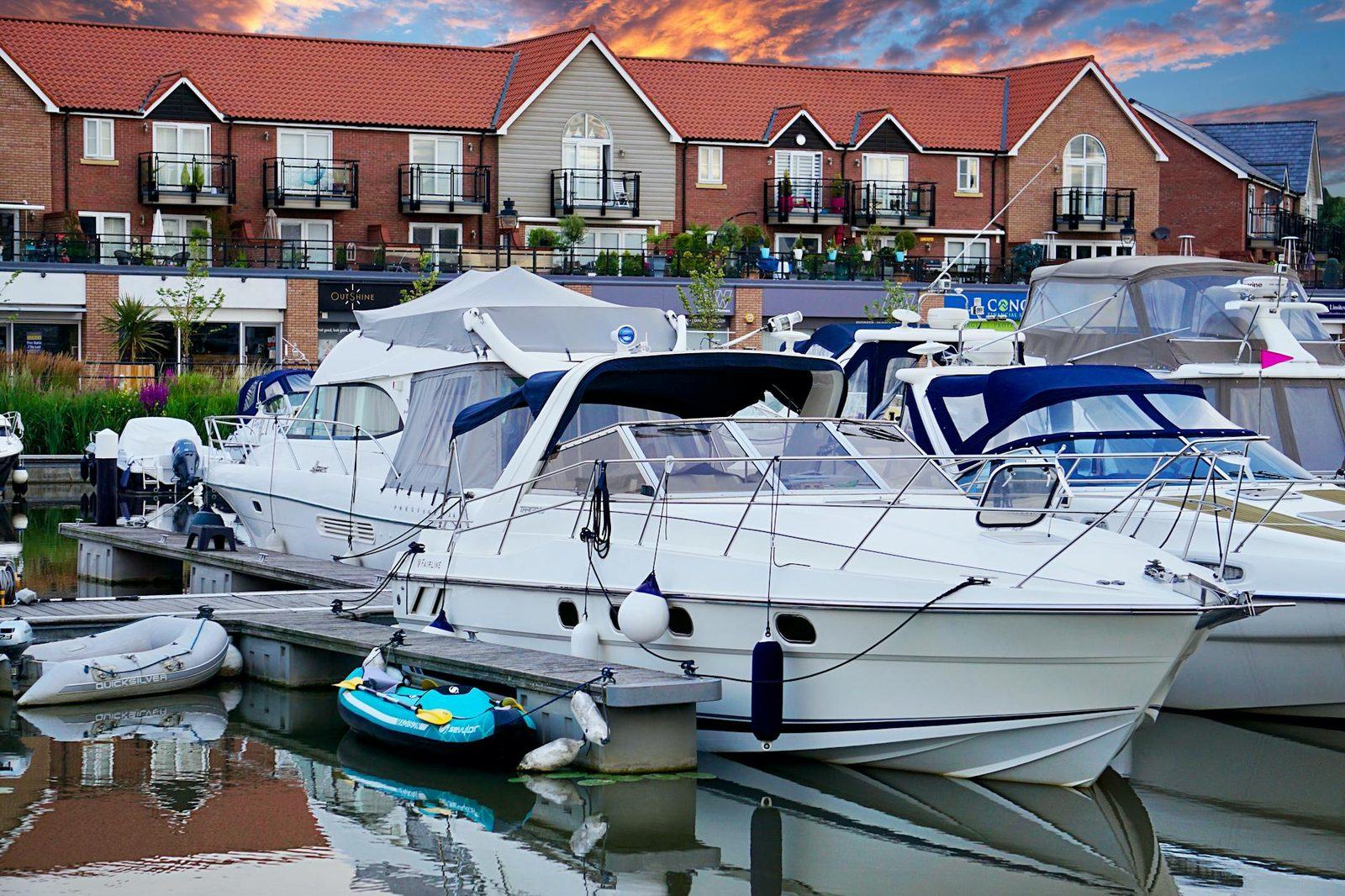
The season — October to April
Dubai is in the desert, and summer is extreme. From May through September, air temperatures regularly reach 40–50°C with high humidity. No charter guest is going to enjoy sitting on deck in those conditions, and many vessels themselves suffer from the heat. The Dubai yachting season therefore concentrates almost entirely in the October–April window, when temperatures are genuinely pleasant (20–30°C) and the Persian Gulf is calm and beautiful.
This seasonal window neatly complements the Med and Caribbean seasons, making Dubai an attractive option for crew who want to work year-round. A standard pattern for multi-season crew might be: Med (May–October) → Dubai (November–April), or Caribbean (November–April) → Med (May–October), with Dubai as an alternative to the Caribbean for those who prefer the Middle Eastern context.
The marina infrastructure
Dubai Marina, Mina Seyahi, and the Dubai International Marine Club (DIMC) form the core of the marina infrastructure on the Dubai coast. Each has a different character:
- Dubai Marina — vast, touristic, primarily day charter and mid-size private vessels. The promenade is walkable and gives a good overview of the fleet.
- Mina Seyahi — more racing and sport-focused; home to powerboat racing infrastructure and some private superyachts.
- The Palm Jumeirah — growing superyacht presence; more exclusive than Dubai Marina and less accessible for dock walking.
- Abu Dhabi (nearby) — Abu Dhabi, an hour's drive from Dubai, has its own marina scene and is increasingly home to significant private vessels owned by Emirati principals. Worth investigating if you're in the UAE market.
Living and working in Dubai as crew
Dubai is a genuinely exciting place to be based, and crew who come prepared — with their expectations calibrated to the cultural and legal context — typically enjoy it enormously. The key things to understand:
- No income tax. The UAE has no personal income tax. This is a significant financial advantage — your salary is your salary, with no PAYE or social security deductions.
- High cost of living. Dubai is expensive. Accommodation for crew typically costs $800–1,500/month for a reasonable shared apartment. Dining out, entertainment, and transport all cost more than the Med average.
- Alcohol is legal but regulated. Alcohol is available in licensed hotels, bars, and restaurants. It is not sold in supermarkets and must not be consumed in public. The social scene for expatriate crew is centred around hotel bars and licenced restaurants.
- Dress modestly away from the beach. Dubai is more liberal than many Middle Eastern countries, but it's still a Muslim-majority society with conservative dress norms outside of beach and resort areas. Most crew adapt quickly.
- Safety is genuinely excellent. Dubai is one of the safest cities in the world. Crime rates are extremely low. For crew accustomed to the relative informality of Caribbean or Mediterranean ports, this is a noticeable difference.
Visa and work authorisation
Most nationalities can visit the UAE on a visa on arrival for 30–90 days. Working legally in Dubai on a yacht requires the appropriate employment visa — the Employment Visa issued through a UAE employer. Most positions on UAE-based vessels will be arranged through the vessel management company, who handle the work visa process. Always confirm your work authorisation status before arriving to take up a position.
See our dock walking guide for Dubai-specific advice including agency recommendations and marina access information.