In this guide
Understanding the Dubai yachting market
Dubai is not yet a superyacht capital in the way that Fort Lauderdale or Antibes are — but it is growing fast, and crew who position themselves in the market early will benefit as it develops. The current mix of vessels leans heavily toward day charter operations: smaller motor yachts taking tourists and corporate clients on short excursions around the emirate's spectacular coastline and past the iconic skyline.
However, the superyacht segment is expanding. Middle Eastern owners — many of them UAE nationals and Saudi royal family members — are commissioning new superyachts at an increasing rate, and those vessels need crew. Unlike the Med or Caribbean markets, where vessels frequently transit between regions and crew positions are filled through established international networks, Dubai's superyacht market is still developing those networks. This creates opportunity for crew who take the initiative to position themselves in the market.
Many positions in Dubai are filled through agencies rather than dock walking. This is partly a function of the security culture — marinas here don't have the same open-access tradition as Port Vauban or Port Olímpic — and partly because the day charter industry tends to recruit through local agency networks. Register with Dubai-based marine crew agencies as a primary strategy and use dock walking to supplement it.
Key marinas and locations
Dubai Marina
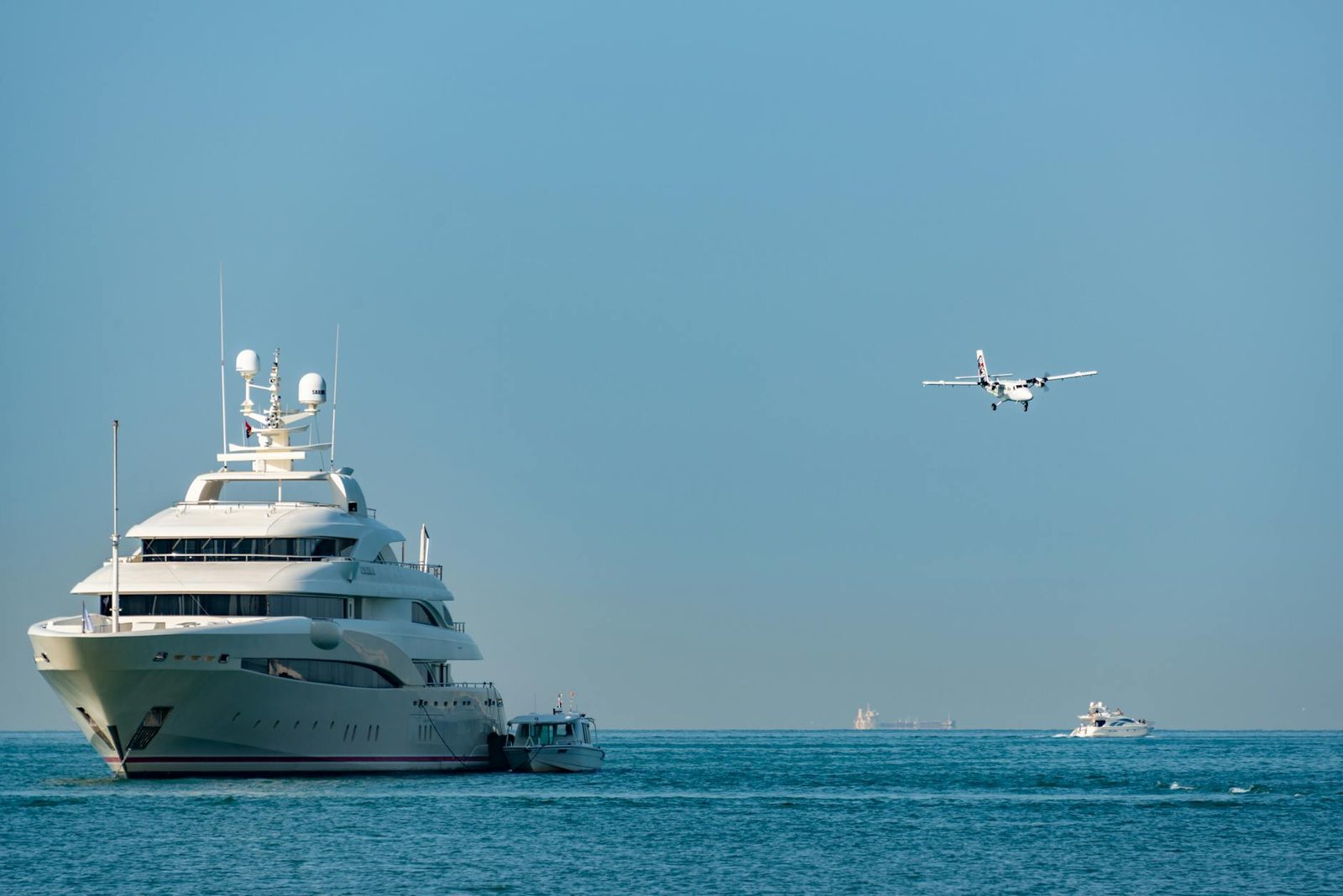
The Dubai Marina development is a vast artificial canal city with one of the largest marinas in the world by berth count. It's surrounded by skyscrapers and is heavily touristic, which means access to pontoons is more restricted than most yacht crew are used to. The marina itself is genuinely impressive — walking the promenade gives you a view of a significant range of vessels from day charter boats up to 50m+ private yachts.
Mina Seyahi
Adjacent to the InterContinental hotel, Mina Seyahi hosts a mix of private yachts and race sailing infrastructure. The Dubai to Muscat offshore race is organised through this area. The marina is slightly more accessible than Dubai Marina proper, and the mix of vessels includes some genuine superyacht traffic.
Dubai International Marine Club (DIMC)
The DIMC is an important venue for marine events and races in Dubai. If you're interested in the racing side of the Dubai market — powerboat racing is popular in the Gulf — the DIMC is the right network to engage with.
The Palm Jumeirah marina
The Palm's marina facilities have grown significantly as the Palm Jumeirah development has matured. Some of the larger private superyachts visiting Dubai use Palm facilities when not at the Mina Seyahi complex. The Palm marina is worth visiting, though security is stricter than most Med marinas.
Seasonal timing in Dubai
| Month | Activity | Notes |
|---|---|---|
| October | Building ★★ | Season begins as temperatures drop to manageable levels |
| November–December | Peak ★★★ | Best season window, comfortable temperatures, maximum vessel activity |
| January–February | Peak ★★★ | Perfect yachting weather — 20–25°C, light winds |
| March–April | Active ★★ | Still pleasant, season winding toward summer |
| May–September | Very low | Extreme heat (40–50°C) and humidity make yachting impractical for most guests |
Visa and work authorisation in the UAE
Crew working on yachts based in UAE waters require appropriate UAE work authorisation. The specific visa type depends on whether the vessel is UAE-flagged or foreign-flagged, the nature of the employment (is the employer a UAE company?), and your nationality.
Many nationalities can enter the UAE on a visit visa (90 days for many European and Antipodean nationalities) and work on foreign-flagged vessels without a UAE work permit, as the employment relationship is technically with the foreign vessel owner. However, this is a grey area that is enforced variably. For any long-term position based in Dubai, you should work with the vessel's management company to ensure your work authorisation is properly structured.
Life as crew in Dubai
Dubai is a genuinely exciting city to be based in — the infrastructure is world-class, the food scene is exceptional, the shopping is extraordinary, and the contrast between the gleaming modernity of the marina district and the traditional souks of old Dubai is endlessly interesting.
However, the lifestyle differences from the Med or Caribbean are significant and crew need to understand them before arriving:
- Alcohol is available but regulated. Alcohol is sold in licensed hotels, bars, and restaurants, and in dedicated off-licence stores (with a permit). It is not sold in supermarkets or consumed in public. As crew, you can drink in licensed venues without issue — but public intoxication carries serious consequences under UAE law.
- Islamic law applies in public. Public displays of affection are frowned upon. Dress modestly outside of resort areas and aboard vessels. Respect for local customs is not optional — it's legally enforced in some contexts.
- No income tax. The UAE has no personal income tax, which means your salary goes substantially further than in France or the UK. This is a significant financial advantage for crew based here.
- Cost of living is high. While tax-free, Dubai is expensive. Accommodation for crew is typically $800–1,400/month for a shared apartment in a convenient location. Dining out and entertainment add up fast.
- It's hot. Outside the October–April window, the heat is extreme. If the vessel has air conditioning aboard (virtually all modern yachts do), the onboard environment is fine, but shore time during summer is genuinely uncomfortable.
Dubai-specific tips for dock walkers
- Use agencies as your primary strategy. Dubai has established marine crew agencies. Register with them, provide your full documents, and check in regularly. Many positions here are filled through agencies before they ever become dock walking opportunities.
- Dress conservatively on the docks. Standard crew attire (neat, clean, professional) is fine. But the cultural context in the UAE means erring on the side of more conservative presentation than you might in Antibes or Fort Lauderdale.
- Learn the day charter market. If you're new to the industry, Dubai's day charter fleet is an accessible entry point. Competition for these positions is lower than in the superyacht market, and the operational experience is transferable.
- Network through marine events. Dubai hosts several marine industry events throughout the season, including the Dubai International Boat Show (typically in February). Attending these events is more productive than general dock walking given the security restrictions around the marinas.