In this guide
Why Barcelona is worth your attention
Barcelona doesn't have the same mythological status as Palma or Antibes in the yachting world, and that's precisely why it's worth considering. Fewer dock walkers means less competition. The marinas here see plenty of vessel movement throughout the season, but the captains are less overwhelmed by CVs than their counterparts in Port Vauban or Puerto Portals.
The city itself is a significant advantage. Accommodation in Barcelona is substantially cheaper than the French Riviera and offers far more variety than the relatively limited crew-house scene in Palma. The transport network is excellent — the metro connects you to the waterfront in minutes from almost anywhere in the city. Barcelona International Airport handles flights from across Europe and beyond, making it easy to position there from anywhere.
There's also a strong racing yacht community centred on the Real Club Nàutic de Barcelona (RCNB), which makes Barcelona particularly useful for crew who want sailing positions rather than superyacht motor yacht berths. If you can crew on a racing yacht for a season, the experience and references you build are invaluable for moving into professional crewing.
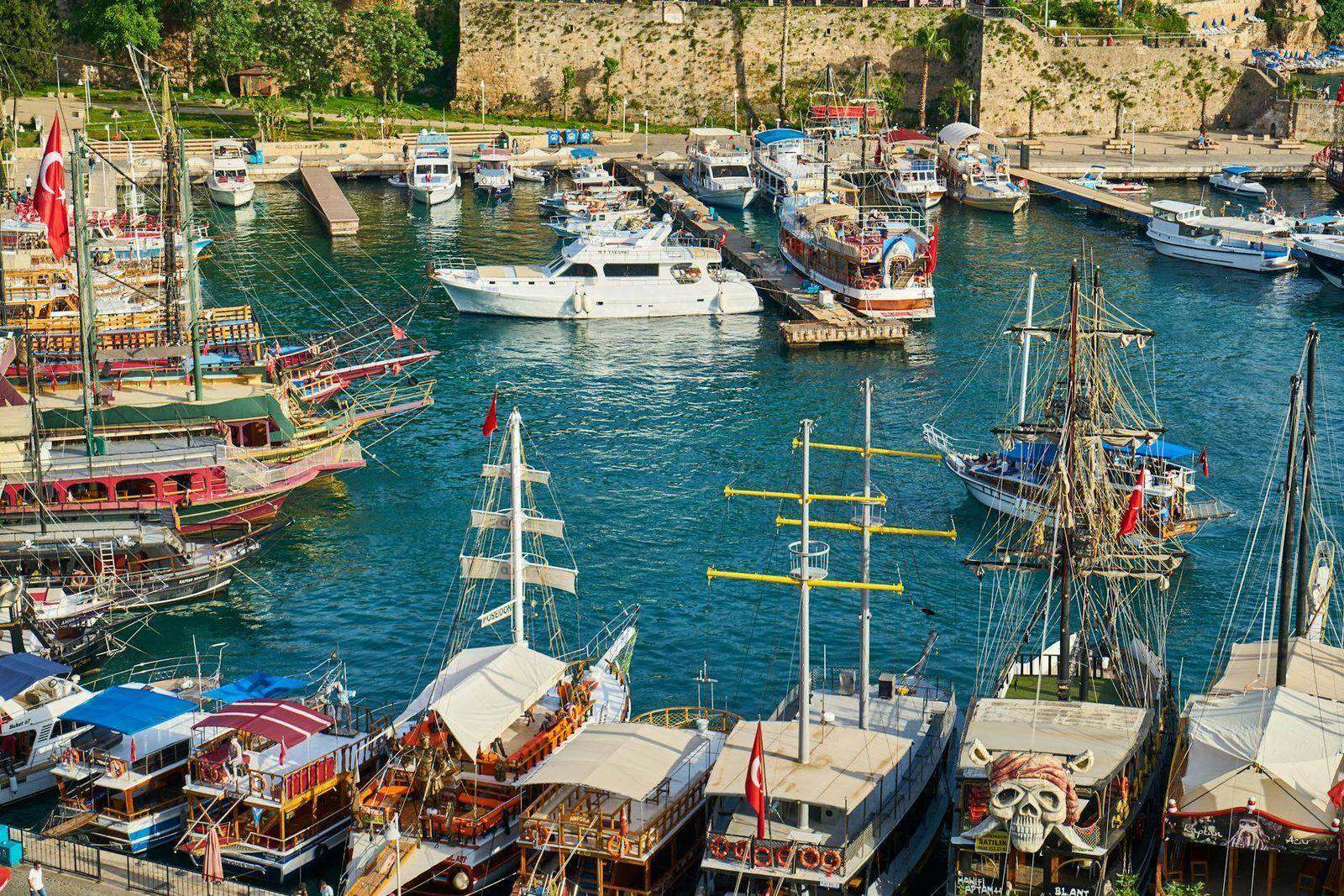
Key marinas and docks to target
Port Olímpic
Built for the 1992 Barcelona Olympics, Port Olímpic is the most accessible of Barcelona's marinas for dock walkers. The pontoons are largely open to the public — you can walk along the outer marina without needing to pass a security gate. The mix of vessels here skews toward the 20–45m range, with a good proportion of charter yachts actively seeking crew. The marina's position immediately northeast of the old city centre means it's easily accessible on foot, by metro (Ciutadella / Vila Olímpica station), or by bicycle along the seafront path.
The outer pontoons at Port Olímpic are where to focus your effort. Vessels stern-to on the outer wall are the most approachable — crew are typically visible on deck and there's no need to navigate through a security gate to reach them.
Marina Port Vell — OneOcean Port Vell
Formerly the Dársena Nacional, Marina Port Vell was redeveloped as OneOcean Port Vell and now hosts some of the largest superyachts that visit Barcelona. The facility is more exclusive than Port Olímpic — security is present and access to certain pontoons is controlled. That said, the outer areas of the marina are accessible and it's worth the walk along the Moll d'Espanya.
The Dársena Nacional section, adjacent to the main OneOcean facility, still holds a mix of vessels and is more open in terms of access. This is where you'll find the working end of Barcelona's yacht scene — delivery crews, charter vessels, sailing yachts between passages.
Club Nàutic Barceloneta
Between Port Olímpic and the city beaches, the Club Nàutic Barceloneta is primarily a sailing club with a mixed fleet of smaller sailing vessels and some charter yachts. Good for making contact with the racing community and picking up crew opportunities on sailing vessels. Friendly, informal atmosphere — easier to have a proper conversation here than in the larger marinas.
Seasonal timing in Barcelona
| Month | Activity | Notes |
|---|---|---|
| January–March | Low | Quiet period — some vessel maintenance but minimal hiring |
| April–May | Building ★★ | Season prep, some yachts positioning from Palma/Antibes |
| June–July | Peak ★★★ | Charter season active, best window for dock walking |
| August | Active ★★ | Peak charter — yachts often at anchor along the coast rather than in port |
| September | Good ★★ | End-of-season movement, crew changeovers |
| October–December | Low | Most vessels heading to winter base or Atlantic crossing |
Barcelona-specific tips for dock walkers
- Port Olímpic has the most accessible pontoons in Barcelona. Start your dock walking circuit here before heading to Port Vell. The open layout means you can cover the entire marina efficiently in a couple of hours.
- The RCNB racing community is a network in itself. If you're interested in sailing positions, introduce yourself at the Real Club Nàutic de Barcelona. Racing crew networks are tight and personal introductions open more doors than CV drops on these vessels.
- Barcelona as a base for wider Med dock walking. The transport links from Barcelona are excellent — high-speed rail to France, cheap flights to Mallorca, ferries to the Balearics. Some crew use Barcelona as an affordable base and make day/overnight trips to dock walk in Palma, Tarragona, or other nearby ports.
- The America's Cup legacy. Barcelona hosted the America's Cup in 2024, which significantly raised the port's profile in superyacht circles. New infrastructure built for the event has improved marina capacity. Post-event, Barcelona has more top-tier vessels visiting than before the event.
- Speak some Spanish. While English is understood in the marina environment, a few words of Spanish or Catalan go a long way in Barcelona. Crew who make the effort are remembered favourably.
Where crew hang out in Barcelona
Barcelona is a world-class city for nightlife and socialising, which is both an asset and a distraction. The Barceloneta neighbourhood — the beach district immediately adjacent to Port Olímpic — has the highest concentration of crew-frequented bars and restaurants.
- Barceloneta beach bars — from May onward, the chiringuitos (beach bars) along the Barceloneta beach fill with off-duty crew, particularly on weekday afternoons when charter guests are occupied elsewhere.
- The area around Port Olímpic marina entrance — the restaurant and bar strip at the marina entrance is where crew from Port Olímpic congregate in the evening. Informal, accessible, and genuinely good for chance encounters with other crew.
- El Born district — slightly inland from the waterfront, El Born has excellent cocktail bars and a more local atmosphere. Worth exploring once you've established yourself in the port scene.
Crew accommodation in Barcelona
Barcelona offers significantly more affordable accommodation options than the French Riviera, and more variety than Palma's concentrated crew-house scene. The Barceloneta and Poblenou neighbourhoods are the most convenient for marina access — both are a 10–15 minute walk from Port Olímpic.
Typical costs for a shared room in a well-located flat near the waterfront run €500–800/month — comparable to Palma but for a much larger and better-connected city. The Barcelona Yacht Crew Facebook group regularly has accommodation listings. Also check local Spanish rental platforms and standard platforms like SpotAHome for medium-term rentals.
Avoid the tourist districts (Gothic Quarter, Las Ramblas area) — they're not convenient for the marinas and rental prices for tourists are significantly higher than the local market rate.