Cuba as a yachting destination
Cuba is the largest island in the Caribbean and has over 5,700km of coastline. The sailing grounds are exceptional — clear water, trade wind sailing, beautiful anchorages largely untouched by the commercial tourism that has transformed much of the rest of the Caribbean. The physical environment is extraordinary: Havana's waterfront, the cays of the Jardines del Rey, the dramatic scenery of the south coast between Cienfuegos and Santiago de Cuba.
But Cuba is not a mainstream yachting destination, and it's unlikely to become one in the near future. The infrastructure is basic by international standards — provisioning is limited, spare parts are essentially unavailable locally, and marina facilities are functional rather than impressive. The country's unique political and economic circumstances have frozen the development of its tourism infrastructure in ways that are simultaneously frustrating and fascinating.
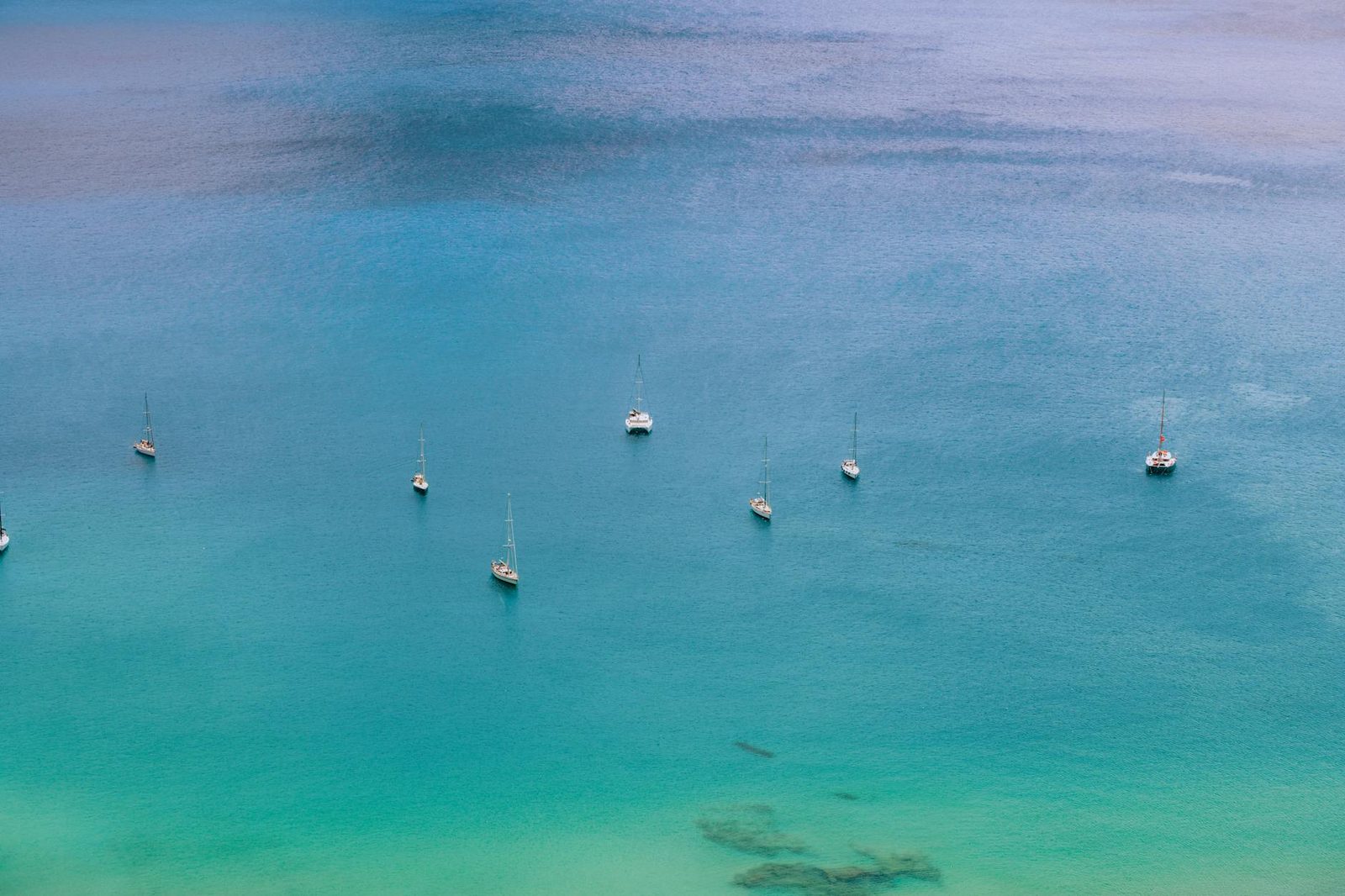
Marina Hemingway, Havana
Marina Hemingway, named after the American author who famously loved Cuba, is the main yachting facility for Havana. Located 15km west of the city centre at Santa Fe, the marina has four canal-like channels cut back from the coast, providing protected berths for visiting yachts. The facilities are basic but functional — fuel is available, customs and immigration procedures are handled at the marina, and the marina staff are helpful within the constraints of what's available.
From Marina Hemingway, it's a taxi ride or local bus journey into central Havana — one of the most extraordinary cities in the Americas. The combination of pre-revolution architecture, vintage American cars (maintained out of necessity and resourcefulness), and the complex social reality of contemporary Cuba makes Havana a genuinely remarkable place to spend time.
The Hemingway International Billfishing Tournament, held annually in Havana, brings an influx of visiting yachts and creates a brief window of heightened activity at the marina. For crew seeking to arrive during a particularly social period, the tournament week is worth knowing about.
The broader Cuba circuit
Beyond Havana, Cuba offers cruising grounds that few foreign yachts visit. The north coast's Jardines del Rey (Gardens of the King) — a chain of cays and coral reefs extending east from central Cuba — provides excellent diving and isolated anchorages. The south coast, while requiring more careful navigation through shallow banks, leads to Cienfuegos (elegant colonial architecture), Trinidad (UNESCO World Heritage city), and eventually Santiago de Cuba.
Most visiting yachts approach Cuba from the Cayman Islands to the south, from Jamaica, or after a crossing from Mexico's Yucatan Peninsula. The departure from the US into Cuba is currently complicated by sanctions — see the US crew note above.
Who Cuba suits
Cuba is best suited for crew on sailing yachts with an adventurous bent — vessels whose owners are genuinely interested in exploration, culture, and going somewhere genuinely different from the standard Caribbean circuit. It is not a superyacht market. The average vessel visiting Cuba is a private cruising yacht between 35ft and 60ft, typically owner-operated or with a small professional crew. The guests on these vessels are curious, self-sufficient, and interested in authentic experience rather than luxury service.
This means Cuba is potentially very interesting for crew who want to work on sailing yachts with engaged owners making real passages, but it's not a conventional crew career stepping stone. If you're building toward superyacht captain or chief stew credentials, Cuba is a detour rather than a main route. If you want a genuinely extraordinary sailing experience and are flexible about conventional career progression, Cuba is a remarkable option.
Practical considerations
- Internet access is very limited. Cuba's internet infrastructure is among the most restricted in the world. Connectivity onboard via satellite is fine, but shore-based internet for checking in with the crew job market, Facebook groups, or family is extremely limited.
- US credit cards and dollars are complicated. US banking is subject to sanctions restrictions. Non-US crew are less affected but should carry euros or Canadian dollars as the most practical currencies for shore use.
- Provisioning requires advance planning. Do not arrive in Cuba expecting to restock the yacht easily. Major provisioning should be done before arrival — in the Cayman Islands, Jamaica, or Mexico. Beer and rum are reliably available; almost everything else requires ingenuity.
- The people are extraordinary. Despite the difficulties, or perhaps because of them, Cubans are among the most resourceful, musical, and genuinely welcoming people crew typically encounter. The human dimension of Cuba is the main reason people choose to go there.